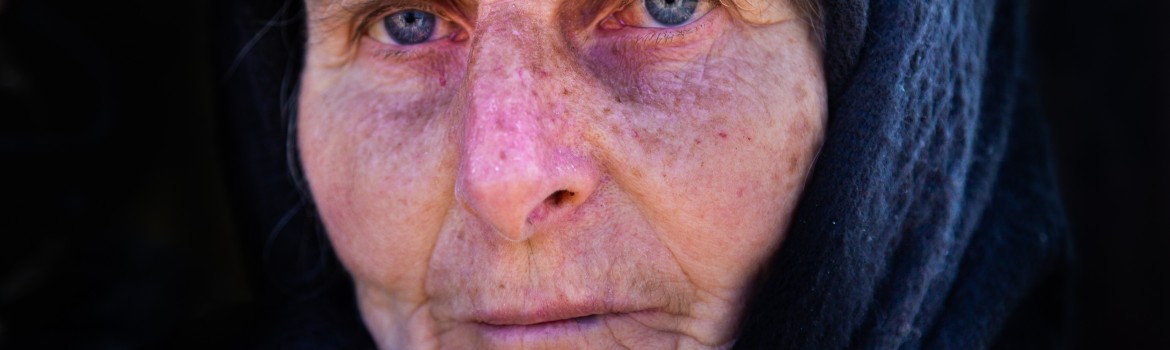
The Bucovina Region, in Romania, is a part of the Moldavian Principality, which is now a unique region of multiethnic cohabitation situated “between East and West”. From a geographic point of view, Bucovina belongs to the eastern part of Europe. From a geopolitical point of view, Bucovina played for a long time the role of a region situated at the crossroads of the influence areas of the Austrian, Russian and Ottoman Empire. Ethnically speaking, it was substantially modified because of the influences in time of the German and Jewish Kulturtrager who spoke German or Yiddish in the period 1775-1918, of the Slav and Soviet in the post-war period. Nowadays, the Historical province Bucovina is divided into two parts: the southern part occupies an important part of Suceava County (Romania), and the northern part belongs to the present Czernowitz region from Ukraine. As a consequence of the cultural, political and economic development, the south of Bucovina is currently inhabited by Romanians, Ukrainians, Polish, Ruthenians, Hutsuls and gypsies, their number changing depending on the historical period and the influences of the geographic position.



 facebook
 twitter
 google+
 instagram
 flickr
 tumblr
 500px
500px
 Pinterest
 YouTube
 Tik Tok
 Threads